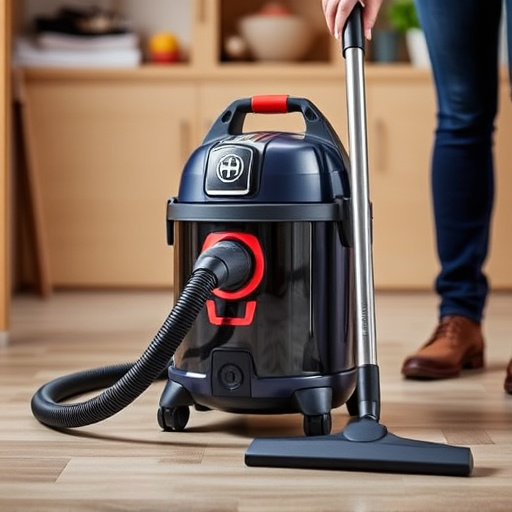
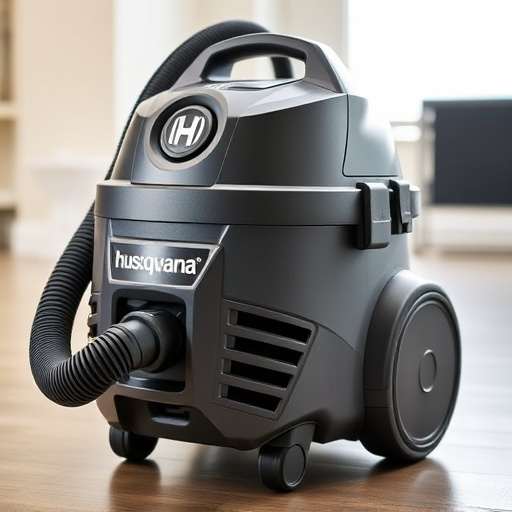
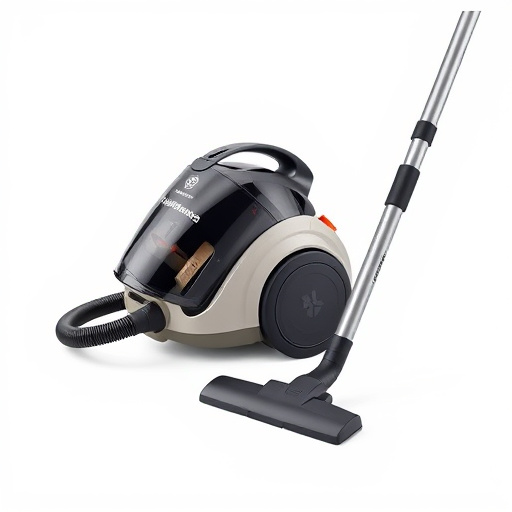
Welcome to an extensive exploration of the Husqvarna vacuum, a cleaning innovation that has transformed domestic and industrial cleaning routines worldwide. This article aims to dissect the multifaceted impact of this powerful machine, tracing its historical roots, global reach, technological marvels, and its position in the ever-evolving landscape of cleaning solutions. By delving into various facets, we will uncover how Husqvarna vacuums have become indispensable tools for both everyday tasks and specialized applications.
Understanding Husqvarna Vacuum: A Comprehensive Overview
Definition:
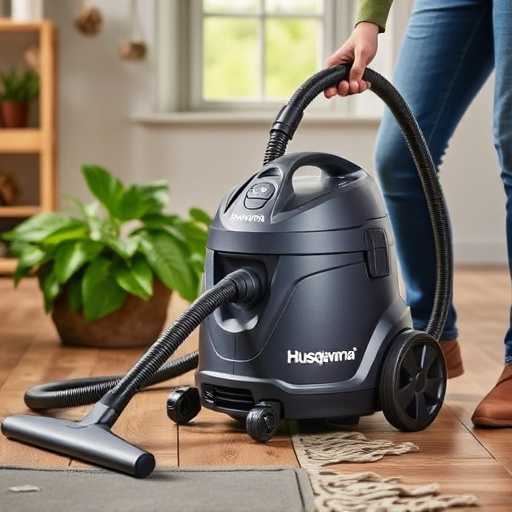
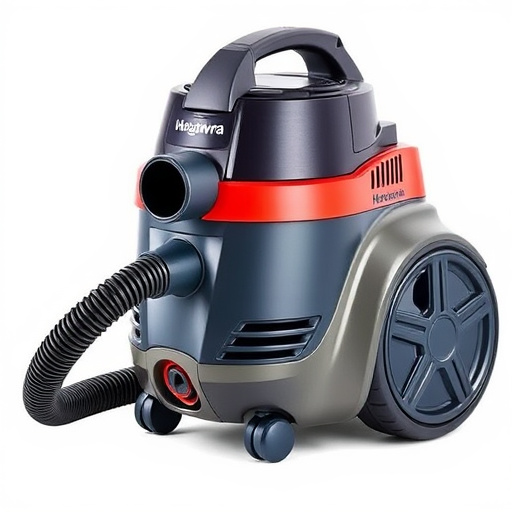
The Husqvarna vacuum, part of the Swedish brand Husqvarna’s diverse product range, refers to a line of high-performance vacuum cleaners designed for versatility and efficiency. These machines cater to various cleaning needs, from domestic homes to demanding industrial settings.
Core Components and Functionality:
Motor and Suction Power: At the heart of every Husqvarna vacuum is a robust motor that generates substantial suction power, enabling efficient debris removal from various surfaces.
Filter Systems: These vacuums employ advanced filtration systems, including HEPA filters, to capture fine particles and ensure clean air expulsion.
Versatile Nozzles: The design incorporates diverse nozzles for different tasks, such as crevice tools for tight spaces and floor brushes for deep cleaning.
Corded vs. Cordless Models: Husqvarna offers both corded and cordless variants, providing users with flexibility and mobility options.
Historical Context:
Husqvarna’s vacuum cleaner journey began in the early 20th century when the company started manufacturing agricultural machinery. Over time, they expanded into home appliances, recognizing the growing demand for efficient cleaning solutions. The first Husqvarna vacuum models introduced simple yet effective designs, laying the foundation for the sophisticated machines we see today.
Significance:
Efficiency and Performance: Husqvarna vacuums are renowned for their powerful cleaning capabilities, making them a favorite among consumers seeking thorough and fast cleaning experiences.
Versatility: The ability to adapt to various cleaning scenarios, from carpeted floors to hard surfaces, sets these vacuums apart in a competitive market.
Durability: Known for their robust construction, Husqvarna vacuums are built to last, ensuring long-term reliability for users.
Global Impact and Trends: A World of Vacuum Cleaners
International Influence:
Husqvarna’s vacuum cleaners have left an indelible mark on global cleaning routines, with a significant market presence in Europe, North America, and Asia-Pacific regions. The company’s international success can be attributed to its understanding of regional preferences and climate variations.
Region
Market Share (2023 Est.)
Key Factors
Europe
35%
Strong domestic market, preference for high-quality appliances
North America
28%
Growing demand for advanced cleaning technology
Asia-Pacific
22%
Rising middle class, increasing urban population
Rest of World
15%
Emerging markets with growing awareness
Trends Shaping the Industry:
Cordless Revolution: The introduction of cordless vacuums has revolutionized cleaning dynamics, offering users unparalleled freedom and flexibility. Husqvarna has played a significant role in this trend by developing powerful lithium-ion battery technology.
Smart Cleaning: Integration of smart features, such as app connectivity and voice control, is becoming common. Husqvarna’s connection to smart home systems enhances user convenience.
Eco-Friendly Focus: There is a growing demand for eco-conscious products, leading to the development of energy-efficient vacuums with recyclable components.
Regional Variations:
Europe: Known for its strict environmental standards, Europe favors vacuums with high energy efficiency ratings and sustainable design.
North America: Consumers here appreciate advanced features, such as HEPA filters and powerful suction, often seeking specialized models for pet hair removal.
Asia-Pacific: Rapid urbanization has led to a demand for compact, lightweight vacuums suitable for small living spaces.
Economic Considerations: A Cleaning Powerhouse in the Market
Market Dynamics:
The global vacuum cleaner market is highly competitive, with various brands vying for consumer attention. Husqvarna’s strategy involves offering premium products with unique features, targeting both high-end and mid-range markets. This approach has positioned them as a key player, especially in regions where quality and performance are prioritized.
Investment Patterns:
Research and Development (R&D): Husqvarna invests significantly in R&D to drive innovation, ensuring their products remain at the forefront of technology.
Marketing and Branding: Effective marketing campaigns have built a strong brand image, enhancing customer loyalty and attracting new users.
Global Expansion: Strategic investments in international markets have fueled Husqvarna’s growth, allowing them to compete with local and global brands.
Economic Impact:
Job Creation: The company’s operations generate employment opportunities, contributing to regional economies.
Revenue Generation: The success of Husqvarna vacuums has led to increased revenue streams, allowing for further investment in product development and market expansion.
Technological Advancements: Pushing Boundaries
Invention of Modern Vacuum Design:
One of Husqvarna’s most significant technological contributions is the development of modern vacuum cleaner design principles. They introduced innovative features like cyclonic separation, which enhances air flow and improves suction power. This design has since become a standard in high-performance vacuums.
Powerful Motor Technology:
Husqvarna engineers have consistently pushed the boundaries of motor technology, creating powerful yet energy-efficient motors. The company’s X-Flow technology, for instance, optimizes air flow, resulting in improved suction and reduced energy consumption.
Wireless Innovation:
The launch of cordless vacuums was a game-changer, challenging traditional cleaning routines. Husqvarna’s lithium-ion battery technology offers extended run times and rapid charging capabilities, making cordless vacuums more practical and appealing to consumers.
Smart Integration:
App Connectivity: Husqvarna’s smart vacuum models allow users to control and monitor cleaning sessions via smartphone apps, providing real-time updates and remote operation.
Voice Control: Integration with voice assistants like Alexa and Google Assistant enables hands-free cleaning control, catering to modern lifestyles.
AI-Powered Navigation: Advanced AI algorithms assist vacuums in navigating complex floor plans, ensuring efficient coverage and avoiding obstacles.
Policy and Regulation: Navigating Legal Waters
Safety Standards:
Global safety regulations play a critical role in shaping Husqvarna’s vacuum design and marketing strategies. The company must adhere to strict standards for electrical safety, material quality, and product labeling. Compliance ensures consumer protection and market acceptance.
Energy Efficiency Regulations:
Europe (EU): The Ecodesign Directive sets energy efficiency requirements for vacuum cleaners, promoting the development of more sustainable products.
United States: The Energy Star program encourages manufacturers to produce energy-efficient appliances, including vacuums, with incentives and consumer awareness campaigns.
Environmental Compliance:
Husqvarna must adhere to environmental regulations regarding product disposal and recycling. Many countries have strict guidelines for hazardous material management, ensuring a responsible lifecycle for vacuum cleaners.
Export and Import Policies:
Navigating international trade policies is essential for Husqvarna’s global expansion. Tariffs, import quotas, and customs regulations vary across regions, influencing the company’s distribution strategies.
Challenges and Criticisms: Overcoming Obstacles
Main Challenges:
Competition: The vacuum cleaner market is highly competitive, with established brands and emerging startups offering innovative solutions. Husqvarna faces constant pressure to differentiate its products.
Technological Obsolescence: Rapid technological advancements require Husqvarna to continuously innovate to stay relevant. Keeping up with the latest trends in battery technology, smart home integration, and AI is a continuous challenge.
Environmental Concerns: With growing environmental awareness, Husqvarna must address the ecological impact of their products throughout their lifecycle.
Criticisms and Solutions:
Noise Levels: Early Husqvarna models faced criticism for high noise levels. Addressing this issue through advanced motor design and sound insulation has improved user experience.
Price Point: Premium pricing has been a point of contention. Husqvarna can counteract this by offering diverse product lines, catering to various budgets while maintaining quality.
Battery Life: While cordless vacuums are popular, longer battery run times are desired. Continuous R&D in battery technology is essential to meet this demand.
Case Studies: Real-World Success Stories
Case Study 1: Commercial Cleaning Revolution
A major hotel chain in Europe adopted Husqvarna’s commercial-grade vacuum cleaners for their housekeeping operations. The high-performance machines reduced cleaning time by 30% and improved overall floor cleanliness, enhancing the guest experience. This case highlights Husqvarna’s ability to revolutionize industrial cleaning processes.
Case Study 2: Pet-Friendly Solution
A US-based pet product retailer introduced Husqvarna’s pet-friendly vacuum as a store demonstration tool. Customers praised its efficient pet hair removal capabilities and easy maintenance. The success led to increased sales and brand loyalty among pet owners.
Case Study 3: Urban Apartment Living
In Tokyo, Japan, a tech startup partnered with Husqvarna to design a compact, lightweight cordless vacuum for urban apartments. The result was a highly portable, efficient cleaner that fit seamlessly into small spaces, winning awards for innovative design.
Future Prospects: Looking Ahead
Growth Areas:
Smart Home Integration: Further integration with smart home ecosystems will be a key focus, allowing vacuums to become seamless components of automated homes.
Personalized Cleaning: AI and machine learning can enable personalized cleaning routines, adapting to individual preferences and floor layouts.
Sustainable Innovation: Developing eco-friendly products with recyclable materials and energy-efficient technologies will remain a priority.
Emerging Trends:
Robot Vacuum Companions: The emergence of robot vacuums as intelligent companions, capable of mapping homes and learning cleaning routines, could change the dynamic of household cleaning.
Augmented Reality (AR) Shopping: AR technology may revolutionize online shopping experiences, allowing customers to visualize vacuum cleaners in their spaces before purchasing.
Strategic Considerations:
Global Market Penetration: Husqvarna can expand its market share by tailoring products to regional preferences and offering localized customer support.
Partnerships and Acquisitions: Strategic alliances with tech companies and startups can drive innovation and accelerate the development of cutting-edge vacuum solutions.
Customer Experience Enhancement: Prioritizing user feedback and implementing data analytics will enable Husqvarna to create more tailored cleaning experiences.
Conclusion: A Vacuum Dynasty
In conclusion, the Husqvarna vacuum has transcended its traditional role as a simple household appliance, evolving into a symbol of efficiency, innovation, and adaptability. Its global reach and diverse product offerings cater to a wide range of consumers and industries. As technology continues to advance, Husqvarna’s commitment to research, sustainability, and customer satisfaction ensures its place as a leading innovator in the cleaning dynamics landscape.
FAQ Section: Answering Common Queries
Q: Are Husqvarna vacuums worth the investment?
A: Absolutely! Husqvarna’s high-quality construction, advanced features, and long-lasting performance make them a worthwhile investment for those seeking efficient cleaning solutions.
Q: How do I choose the right Husqvarna vacuum for my home?
A: Consider your specific needs: floor types, space size, pet hair, or allergen control. Husqvarna offers diverse models catering to various requirements, ensuring you find the perfect fit.
Q: Can Husqvarna vacuums be used outdoors?
A: Some models are designed for light outdoor use, especially those with powerful suction and robust construction. However, Husqvarna’s primary focus is on indoor cleaning solutions.
Q: Are there any energy-saving features in Husqvarna vacuums?
A: Yes, many Husqvarna models incorporate energy-efficient technologies, such as advanced motor design and smart sensors, to reduce power consumption without compromising performance.
Q: How do I maintain my Husqvarna vacuum for optimal performance?
A: Regular cleaning of the filter, empty or replace bags (if applicable), and deep clean the machine periodically will ensure peak performance. Follow the user manual’s care instructions for best results.
The Husqvarna DE 120 vacuum cleaner is a game-changer powered by JetPulse technology, offering exceptional suction and maneuverability on various floor types. Its sleek design, compact size, and lightweight build make it easy to navigate around…….
The Husqvarna Dust Extractor, powered by the innovative Power N Play system, is a versatile tool for professionals and DIY enthusiasts. Its V-shaped tray optimizes dust collection, keeps work areas clean, and simplifies cleanup with its slanted…….
The Husqvarna 1400W commercial vacuum is a powerful, versatile tool boasting exceptional performance, robust construction, and Swedish engineering. With a strong 1400W motor, it delivers dynamic cleaning across various surfaces and floor types,…….
The Husqvarna Dust Extractor with eFlow system is a powerful, efficient tool for workspace efficiency and safety. Its revolutionary eFlow technology maintains constant optimal air flow, capturing and filtering dust precisely. The Power N Play fe…….
Modern Husqvarna vacuums, powered by the Power N Play system, offer remote control and smart features through smartphone apps for efficient cleaning. With models tailored to various home sizes and needs, these vacuums provide powerful performanc…….
The Husqvarna dust extractor is a powerful, versatile tool with 20-amp motor, featuring innovative Power N Play technology for easy vacuum/blower mode switching. Ideal for DIY and professional use in various settings, it reduces cleaning time, c…….
The Husqvarna DE 120 vacuum combines powerful suction, advanced filtration, and a user-friendly design for efficient cleaning on hard floors and low-pile carpets. Its lightweight build, maneuverability, and comprehensive two-year warranty make i…….
The Husqvarna S11 lawnmower combines power and playfulness with its 25L capacity and "Power N Play" technology, catering to both professionals and DIY enthusiasts. Its innovative design enhances mowing tasks while reducing refilling ne…….
The Husqvarna Vacuum is a powerful and versatile cleaning tool, offering efficient performance on various floor types. Power N Play provides top-quality Husqvarna Vacuums at competitive prices, along with an easy unboxing process and exceptional…….
The Husqvarna Power N Play vacuum cleaners revolutionize home cleaning with advanced technology. Combining powerful suction, intuitive navigation, and embedded connectivity, these vacuums offer remote control via smartphones or tablets, scheduli…….
The Husqvarna Dust Extractor's eFlow system offers versatile, efficient dust control for various work environments via its 'Power N Play' feature, switching power levels without sacrificing suction. This smart design ensures consi…….
The Husqvarna Vacuum H-Class is a powerful and versatile floor care solution with a 3HP motor, offering exceptional cleaning performance across various floor types. Its Power N Play functionality provides manual and autonomous cleaning modes, ca…….
The Husqvarna S11 is a powerful lawnmower with innovative "Power N Play" technology, offering seamless mowing experience through self-propelled drive and intuitive controls. Its lightweight yet sturdy design, adjustable cutting height,…….
The Husqvarna DE 120 vacuum cleaner is a Power N Play machine, combining exceptional suction power with versatile floor tool adaptability for efficient cleaning on diverse surfaces, from carpets to hard floors. Its intuitive design, compact size…….
The Husqvarna S11 wet dry vacuum is a powerful, versatile tool suitable for both professional and domestic cleaning. Featuring innovative Power N Play technology for seamless task switching, lightweight design, advanced filtration system, and a…….
The Husqvarna S11 vacuum cleaner is a powerful and versatile tool for thorough cleaning, ideal for pet owners and allergy sufferers. Its three-stage filtration system captures fine particles, while the Power N Play feature ensures strong suction…….
The Husqvarna S11 is a versatile, efficient robotic lawn mower and vacuum cleaner featuring Power N Play technology for superior performance. It boasts a three-stage filtration system for clean air, adaptive navigation sensors, and quiet, energy…….
The Husqvarna S11 vacuum is a powerful, versatile, and quiet cleaning solution for modern homes, offering efficient allergen capture, easy maneuverability, and a seamless user experience. Its low 69 dB noise level, innovative Power N Play techno…….
The Husqvarna S11 is a powerful, versatile vacuum cleaner with innovative features. It combines advanced cyclone chamber technology with a high-performance motor for exceptional suction on both hard floors and carpets, thanks to its unique Power…….
Power N Play, located in Shepparton, VIC, Australia, specializes in concrete dust removal solutions. They advocate for Husqvarna vacuum cleaners, known for their innovative design and superior performance in capturing fine concrete dust particle…….